Why Events Are the New Community Centers — And How Smart Organizers Are Building Tribes, Not Just Selling Ticket
Jane Doe
CEO
The most successful event organizers today aren't just filling seats — they're building movements. Here's the shift from transactional ticketing to community-first experiences, and what it means for you.
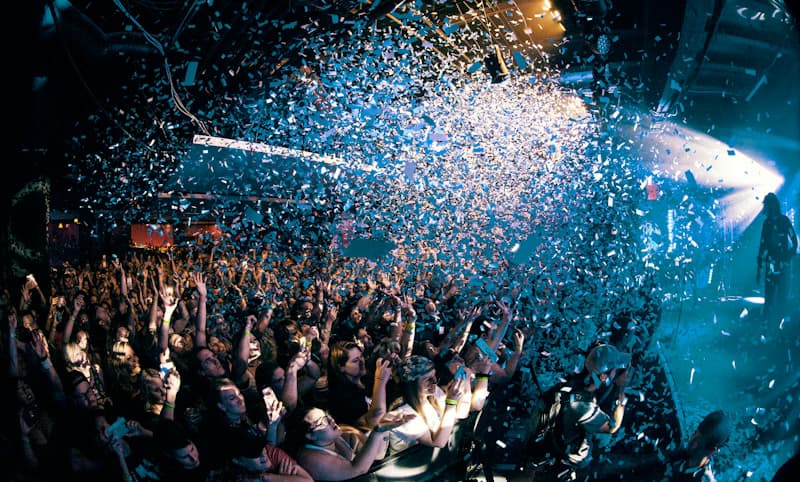
Why Events Are the New Community Centers
And How Smart Organizers Are Building Tribes, Not Just Selling Tickets
Think about the last event that genuinely changed something for you.
Maybe it was a warehouse party where you met your co-founder. A cultural festival where, for the first time in months, you felt like you belonged somewhere. A hackathon where strangers became teammates. A food pop-up that became a weekly ritual.
Whatever it was — chances are, it wasn't the event itself you remember most. It was the people it put in front of you.
That's not a coincidence. That's the future of events.
The Old Model Is Dying
For decades, events have been transactional:
- Organizer sells ticket → Attendee shows up → Everyone goes home.
The platform's job? Process payments. Print badges. Send reminders.
But something has shifted.
With physical spaces getting harder to afford, online communities feeling increasingly hollow, and social media becoming more algorithm than connection — people are starving for real belonging. And the most forward-thinking organizers have noticed.
They're not just throwing events anymore. They're building infrastructure for human connection — and events are just the front door.
What "Community-First" Actually Looks Like
Here's what separates a forgettable event from one people talk about for years:
1. The Event Has a Before and After
The magic doesn't start when doors open — it starts when the ticket is bought. The best organizers are building anticipation: private group chats, sneak peeks, early-access meetups. And after the event? They keep the thread alive. Check-ins, exclusive content, follow-up events.
An event with no before and after is just a transaction.
2. The Organizer Knows Their People
Not just as "attendees" — but as a community. They know who's a first-timer and who's a returning regular. They recognize the superfans. They see patterns across their crowd.
This level of knowledge doesn't come from a generic ticketing platform. It comes from a system that's built to remember people, not just process them.
3. There's a Shared Identity
The best events create belonging around something real: a city, a culture, a craft, a cause. When people walk in, they feel: these are my people.
Think about what that means for the Bangladeshi diaspora in New York. For tech professionals in Dhaka. For university students at BUET who share a passion for building things. These aren't just audiences — they're tribes waiting to be organized.
The Numbers Don't Lie
- 79% of event-goers say they attend events primarily to connect with people who share their interests (Eventbrite, 2024)
- Repeat attendees spend 67% more over a lifetime than first-timers
- Events with active community features see 3x higher retention rates
- Community-driven events convert attendees into brand advocates at 5x the rate of traditional events
Why This Matters More in Our Markets
If you're organizing events in Bangladesh or serving the South Asian diaspora in the US — this shift is even more pronounced.
Our communities run on adda — the Bengali art of informal, meaningful conversation. On shared history, shared food, shared music. On the feeling of walking into a room and seeing your people.
But we've been forced into generic tools. Western platforms that don't understand bKash. That don't know how to categorize a Pahela Baishakh celebration or a Pohela Falgun concert. That treat our events like any other ticket.
We deserve better.
What Eventa Is Building
Eventa was built on a single belief: events should become communities.
Not a one-and-done transaction — but a living, growing network of people who found each other at something that mattered.
That's why Eventa is different:
- Community profiles that persist across events — your crowd knows each other, not just you
- Pulse Feed — a social layer that keeps conversations alive between events
- Eventa Points (EP) — a loyalty system that rewards your most engaged attendees
- Clubs Compete — tournament and challenge tools that turn passive audiences into active participants
- Dual-market payments — Stripe for the US, bKash for Bangladesh, one platform
Whether you're throwing a 50-person cultural meetup in Queens or a 500-person tech summit in Dhaka — Eventa gives you the tools to turn attendees into a community that comes back.
The Organizer Mindset Shift
The organizers winning in 2026 aren't asking "how do I sell more tickets?"
They're asking:
- Who are my people, and what do they care about?
- How do I make them feel seen before, during, and after my event?
- What's the thread that connects them to each other — not just to me?
This is the mindset shift. And it's available to anyone willing to make it.
Start Here
If you're an organizer ready to build something that lasts:
- Create your Eventa community around a clear identity — a city, a culture, a shared interest
- Run your first event and watch your community profile grow
- Use the Pulse Feed to keep conversations going after the doors close
- Reward your regulars with EP points and exclusive access
The ticket is just the beginning. The community is the point.
Eventa is the event-to-community platform built for organizers in Bangladesh and the global diaspora. Sign up free at eventa.live
Tags: community, events, organizers, networking, Bangladeshi diaspora, Dhaka, New York, event tech, Eventa